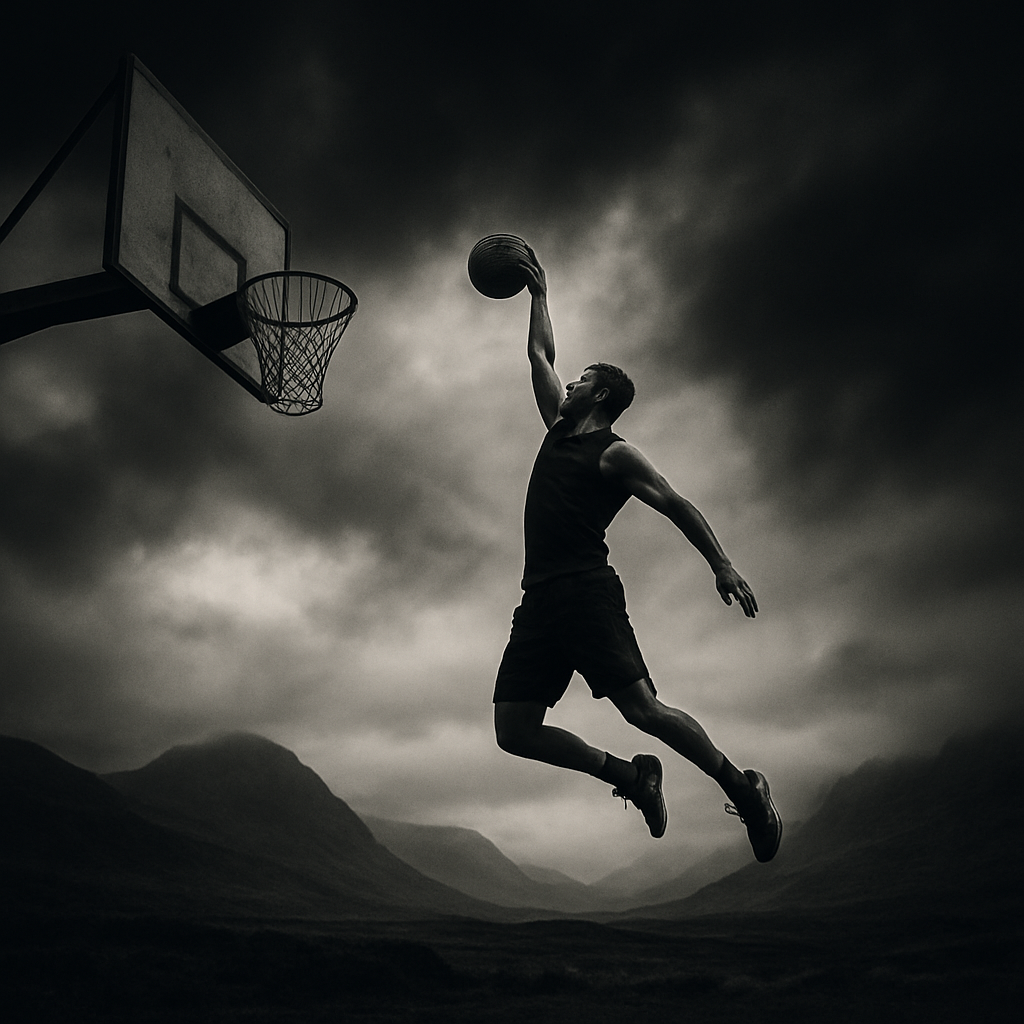
The Sport of Scotland
Ball
basgaid
Scotland and basketball share a longer story than most realise. Discover the history, master the technique, and understand the game that has shaped communities across this nation.
Explore HistoryWhat You Need
Equipment
and Gear
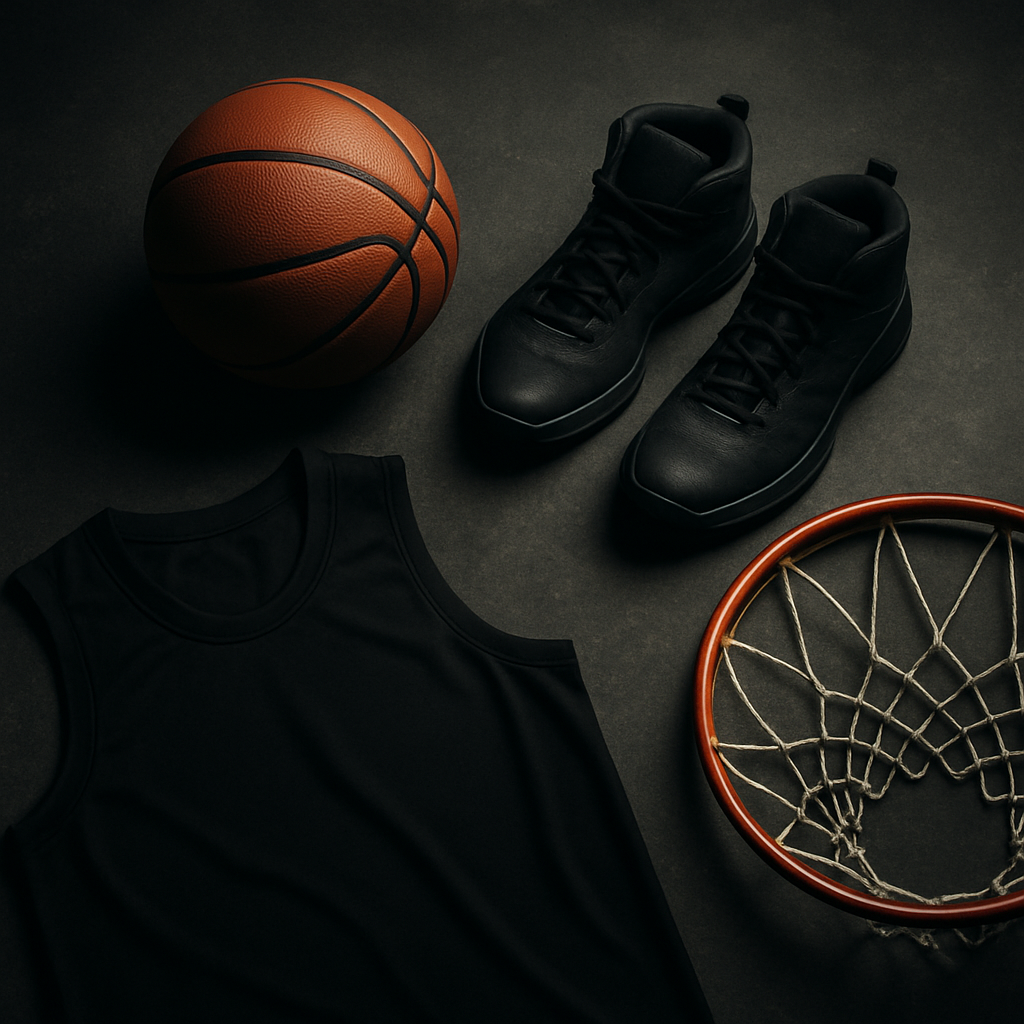
Every element of basketball equipment serves a specific function. Understanding your gear is the first step toward mastering the sport.
The Ball
A regulation basketball measures 29.5 inches in circumference and weighs between 20 and 22 ounces. The distinctive seam pattern allows precise grip control in all weather conditions.
Footwear
High top court shoes provide ankle stabilisation during rapid lateral movements. Cushioning technology absorbs repeated impact forces across the full game duration.
Hoop and Backboard
The rim sits exactly 10 feet above the floor. A regulation backboard measures 72 by 42 inches, with the inner rectangle serving as a key aiming reference.
Court Surface
Hardwood maple remains the gold standard for indoor courts. The grain runs parallel to the sidelines, providing consistent ball bounce and controlled traction.
Playing Strip
Moisture wicking jerseys and shorts constructed from lightweight synthetic fabrics allow full freedom of movement while regulating body temperature.
Protective Gear
Knee pads, ankle braces and compression sleeves are widely used to prevent and manage the physical demands of a contact sport played on hard surfaces.
Did You Know
First recorded game
Basketball arrived in Scotland within two years of the sport being invented in the United States, making Scotland one of the earliest adopters in Europe.
National leagues
Scotland operates four distinct competitive tiers, from grassroots community leagues through to elite national competition, providing pathways for every level of athlete.
Council areas reached
Every one of the thirty two Scottish council areas has at least one active basketball programme, reaching communities from the Borders to the Northern Isles.
Master the Game
Skill.
Tactic.
Control.
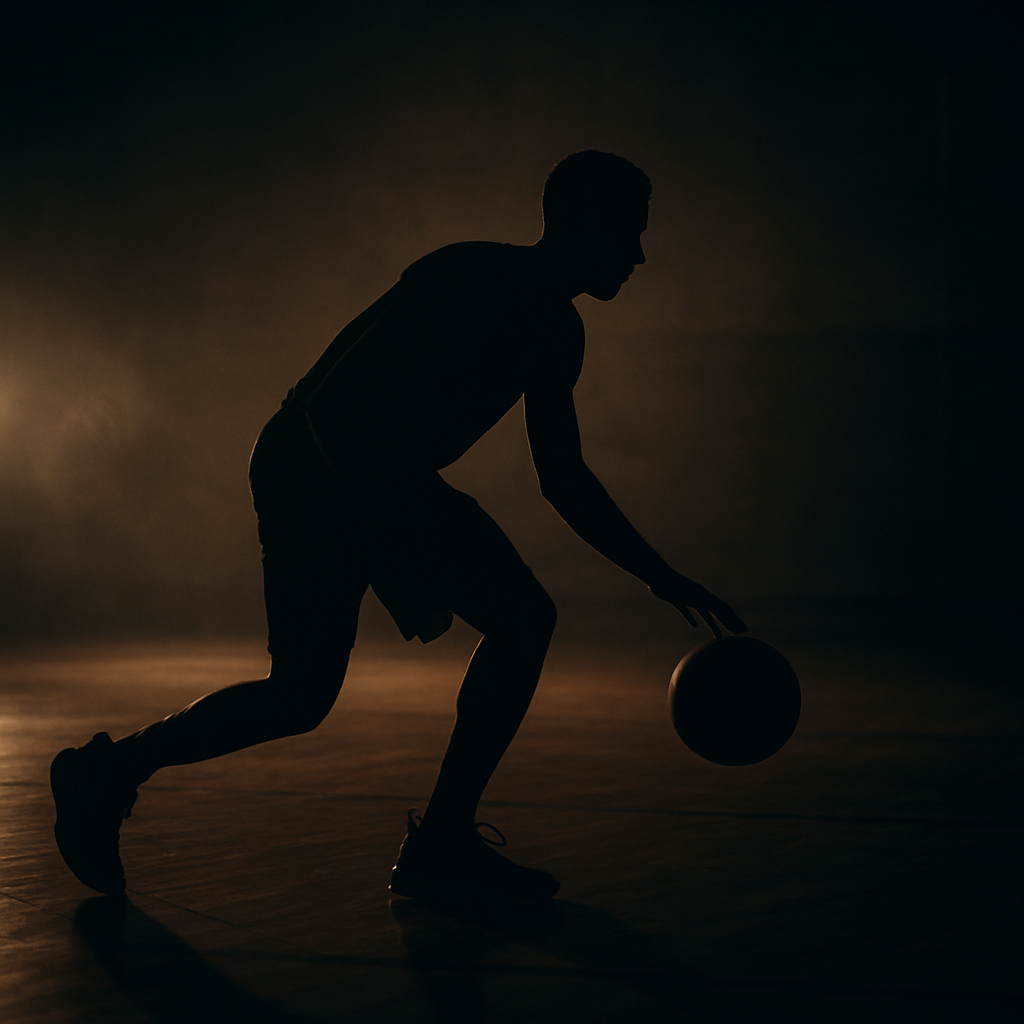
From foundational ball handling drills to advanced offensive set plays, our techniques section covers the full spectrum of basketball development. Whether you are building your first crossover or designing a full season training plan, the information is structured for immediate application.
Tactical breakdowns, exercise sequences, conditioning programmes and position specific guidance all await in the full techniques guide.
Go to TechniquesMilestones
Scotland
Achieves
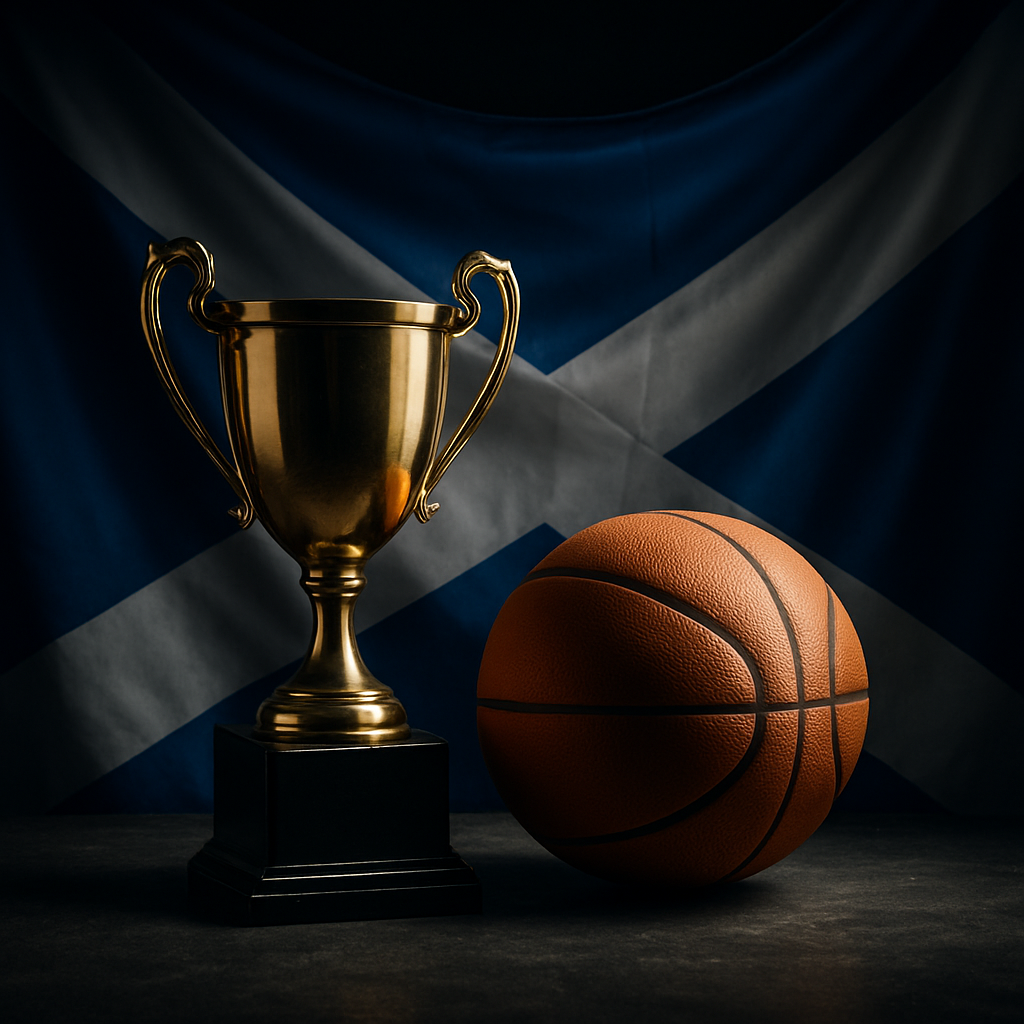
Scotland fields its first representative team in international friendly competition against visiting North American armed forces sides.
The Scottish Basketball Association formally registers with the international governing body, opening doors to continental tournament qualification.
Scotland hosts its first major European youth tournament, drawing teams from fourteen nations to venues across Glasgow and Edinburgh.
Devolution strengthens Sport Scotland investment in basketball, funding construction of dedicated indoor facilities in six regions.
Glasgow Commonwealth Games showcases basketball to a global audience on Scottish soil, inspiring a significant surge in youth participation.
Record participation figures recorded across all age groups, with female participation increasing by over forty percent in five years.
The Framework
Rules and
Disciplines
Basketball operates within a precise and well defined structure. Five players per side contest possession of a single ball on a rectangular court, aiming to score through a raised hoop at the opponent's end.
The rules cover player conduct, scoring values, time restrictions, foul thresholds and game management. Understanding them is essential for players, coaches and spectators alike.
From the basic shot clock to the finer points of intentional fouls and technical violations, the full rules page provides a comprehensive reference.
Read Full RulesOrigins
A Century
of Play
Basketball arrived in Scotland in the closing years of the nineteenth century, introduced through transatlantic connections between the YMCA movement and Scottish educational institutions. Within a decade, organised club competition had taken root in Glasgow and Edinburgh.
The full history page traces the journey from those first improvised games to the structured national leagues of today, documenting the people, places and moments that shaped the sport across more than a hundred years.
Read Full History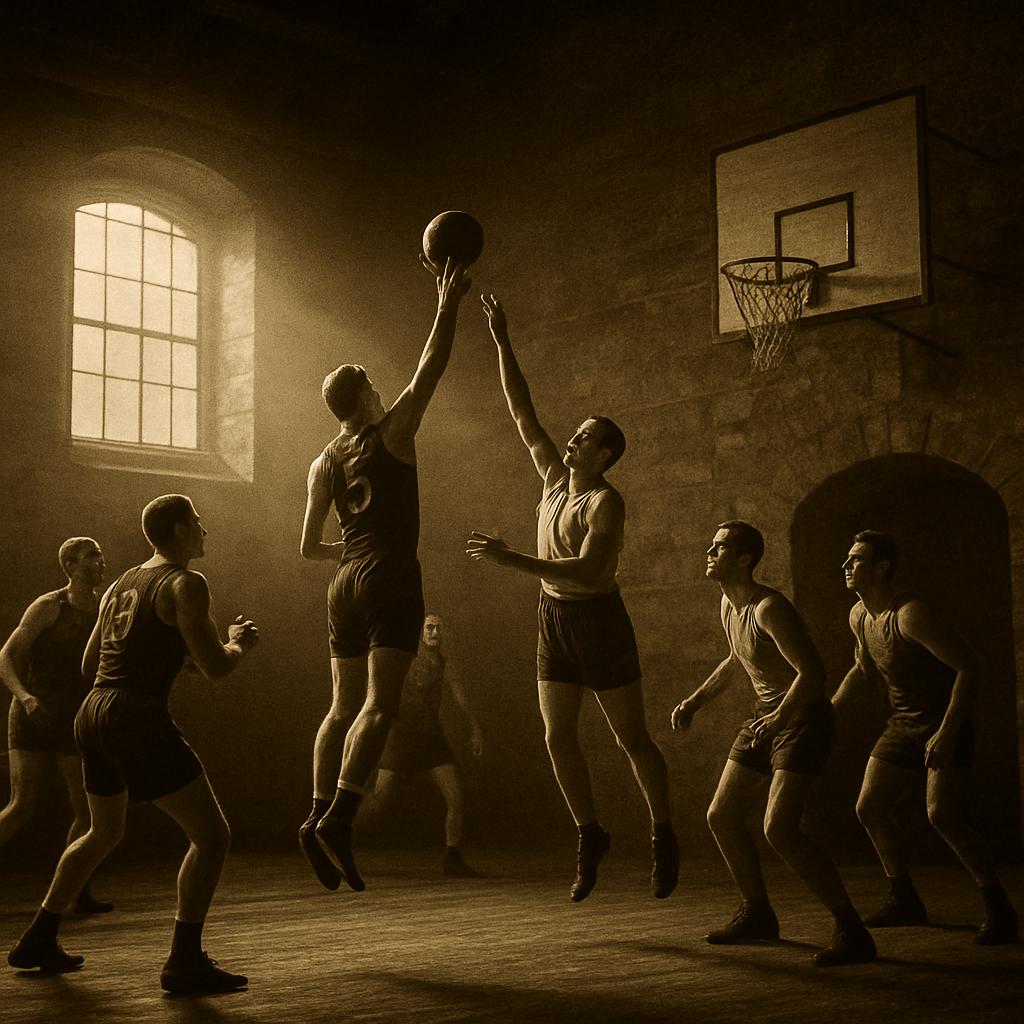
Inventory
Types of
Gear
Indoor
Hardwood and sports hall play require specific sole compounds and controlled ventilation.
Outdoor
Concrete and asphalt courts demand reinforced rubber soles and durable ball materials.
Training
Weighted balls and resistance bands allow targeted skill development between competitive sessions.
Recovery
Compression gear, foam rollers and ice bath protocols form an essential part of modern preparation.
Junior
Scaled equipment for younger players promotes correct technique development from the earliest stages.
Officials
Referees require distinct uniforms, whistles and positioning protocols to manage the game effectively.
registered players across Scotland as of 2025
official court dimensions used in Scottish national competition
maximum time to advance the ball past half court
awarded for any shot beyond the arc, universal since 1967
Knowledge Base
Articles
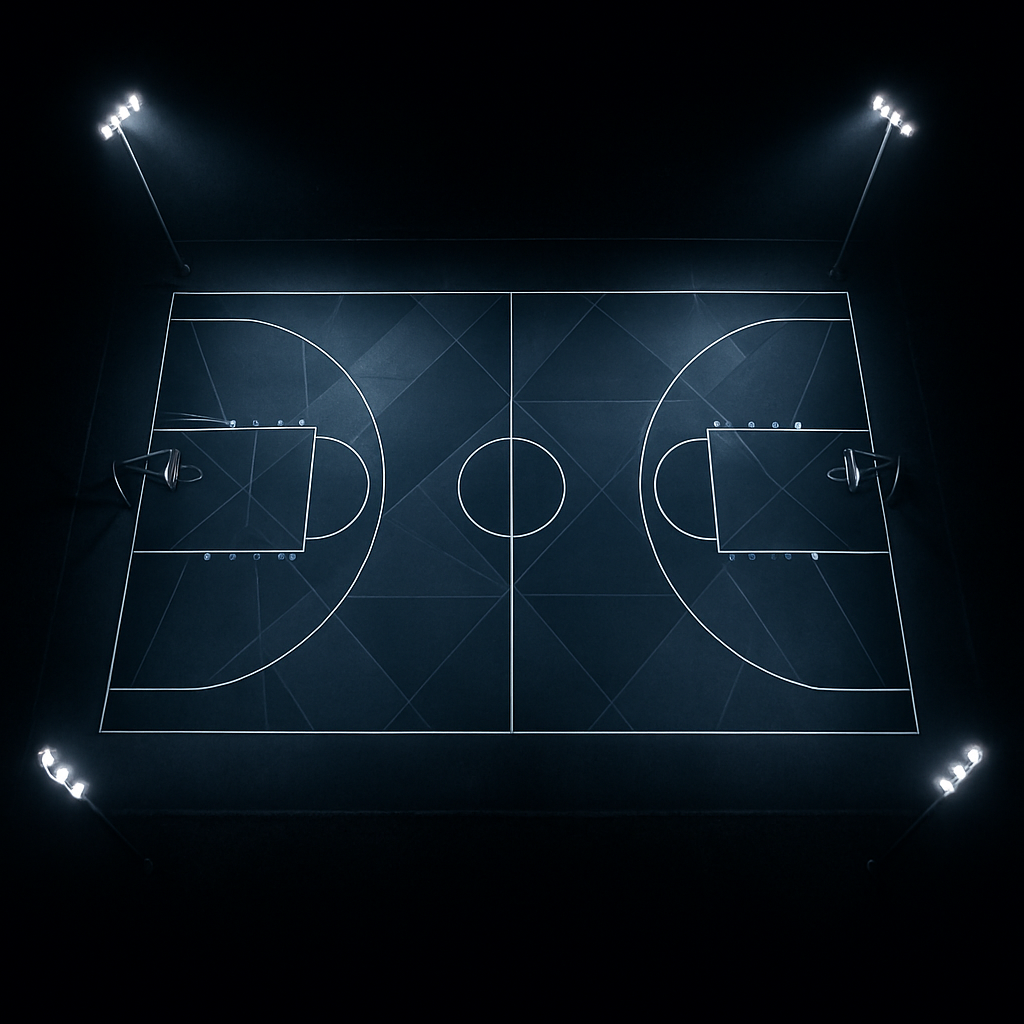
Zone Defence Explained
Understanding the principles behind zone formations and why Scottish teams have embraced them at every level of the game.
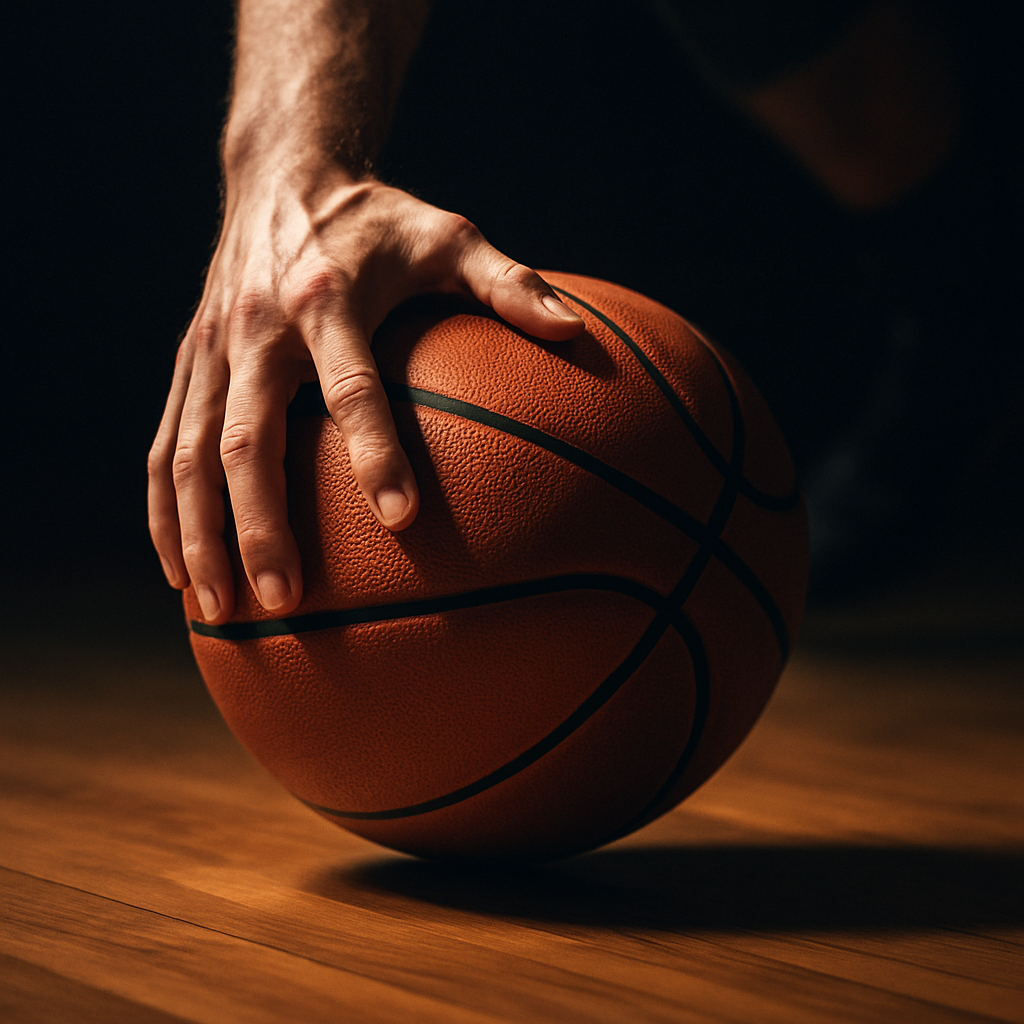
Dribbling Fundamentals
The mechanics of ball control that separate good players from exceptional ones, broken down into progressive training steps.
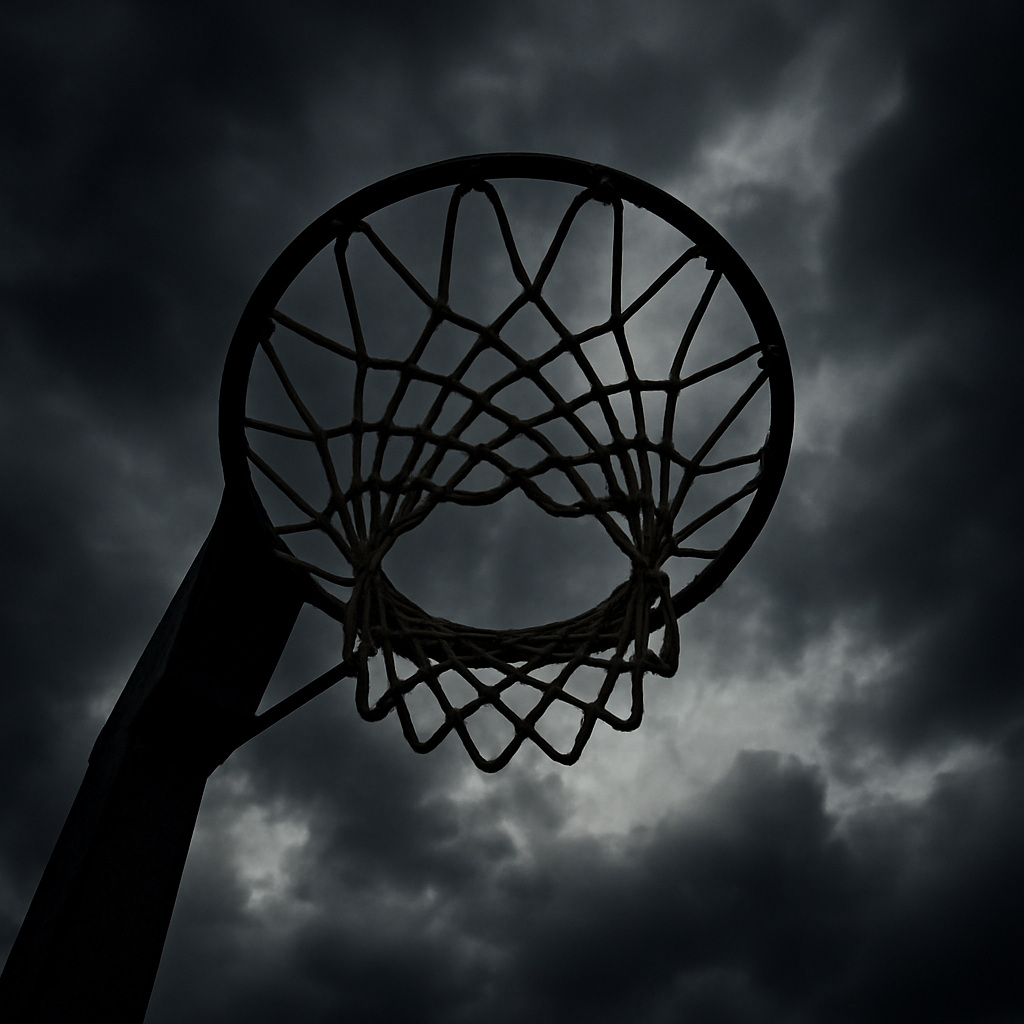
Reading the Court
Spatial awareness and anticipation are skills that can be trained. Here is how to develop your court vision systematically.